

An Interview with Ms. Egle Rukšėnaitė, Founder at E77 Hotel & Spa Development, Lithuania – Winner of the ESPA Innovation Award for Innovative Spa Concept
Q1. Your opening ceremony was honoured by the presence of Her Majesty Queen Silvia of Sweden. What was Her Majesty’s first impression of the Addere Care Wellness Nursing Hospital, and how did she react to this new European model that integrates medical care, rehabilitation and spa wellbeing into one continuous therapeutic system?
Reflecting on the Wellness Nursing Hospital concept, Her Majesty Queen Silvia of Sweden emphasized a vision she has championed for many years: that care must always preserve human dignity, identity, and quality of life. Her Majesty was also particularly impressed by the integration of non-medical therapeutic and balneological elements throughout the facility. Balneo water treatments, forest therapy experiences, art and music therapy, spiritual care programs, and dedicated pastoral support create an environment that nurtures not only physical health, but emotional and spiritual wellbeing. Her Majesty Queen Silvia of Sweden expressed genuine appreciation for the human-centered philosophy behind the Wellness Nursing Hospital concept.
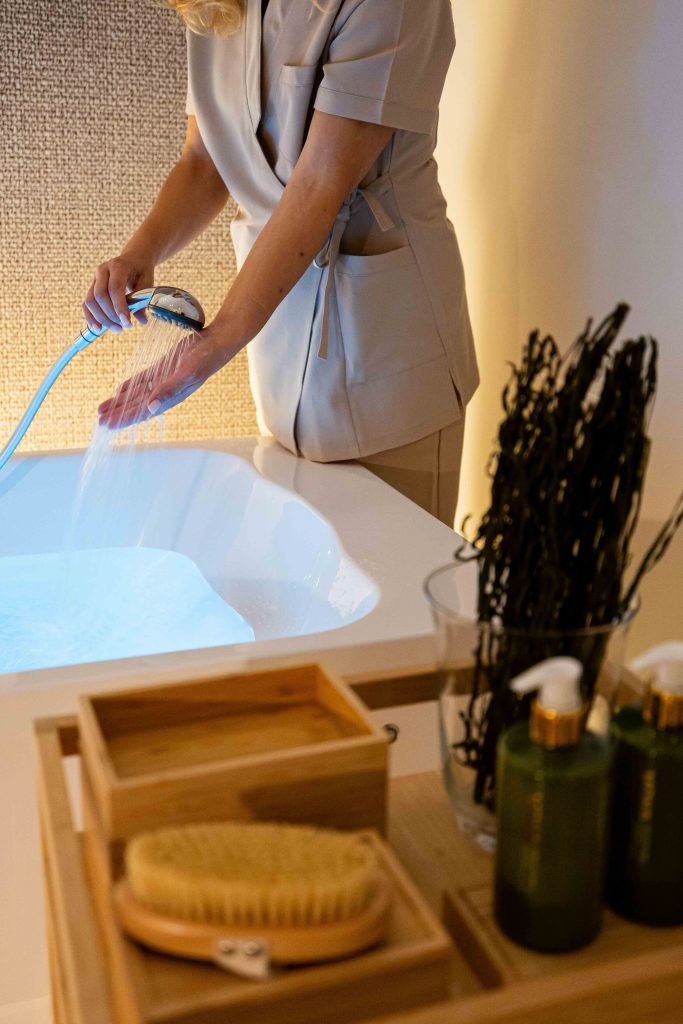
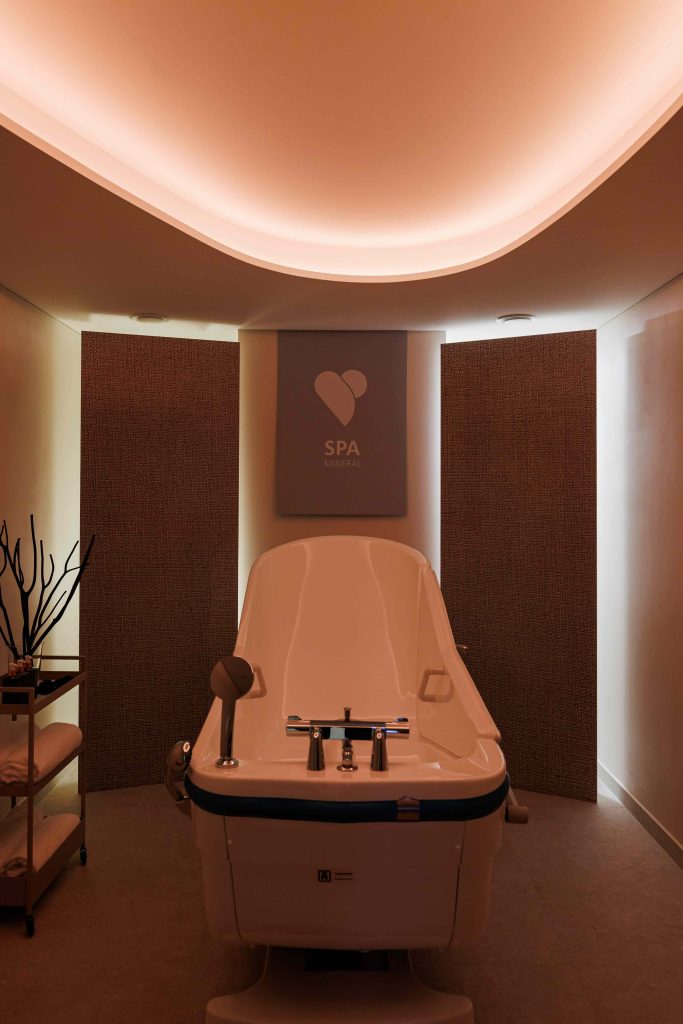
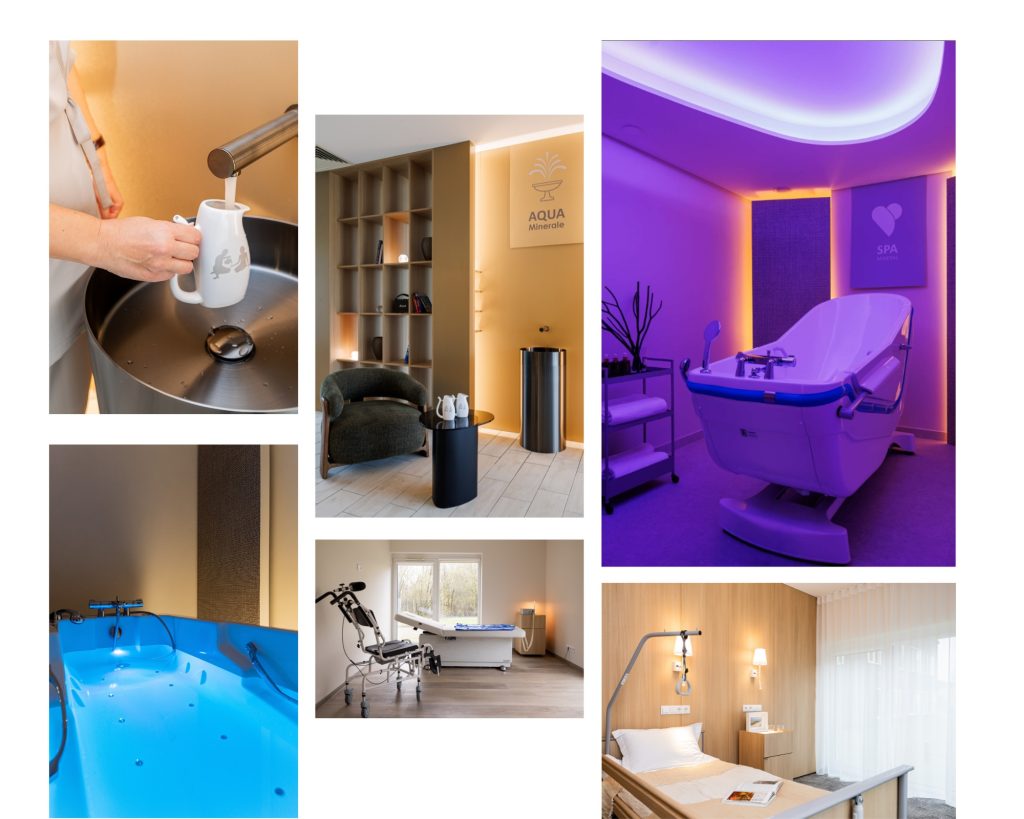
Particular interest was shown in the wellness and balneology facilities integrated into everyday care. The therapeutic bathing areas, hydrotherapy facilities, and specially designed accessible wellness baths demonstrated how traditional spa and balneological principles can be adapted for people with reduced mobility, neurological conditions, dementia, or complex care needs.
The combination of therapeutic value, ergonomic design, accessibility, and operational functionality represents an important innovation both for residents and healthcare professionals. The concept shows that wellness should not be reserved only for healthy and active individuals, but can become an essential part of care for those who need it most.
Throughout her life’s work, Queen Silvia has been a strong advocate for dignity in elderly care, dementia care innovation, and creating environments that support not only physical health, but also emotional wellbeing and quality of life. During her visit, she highlighted the importance of developing care environments where people feel respected, safe, valued, and connected to life, regardless of age or health condition.
Q2. The award-winning Forest Therapy (“Forest in the Box”) concept is a striking idea. Can you explain how it works and what impact it’s had on residents’ anxiety and loneliness levels?
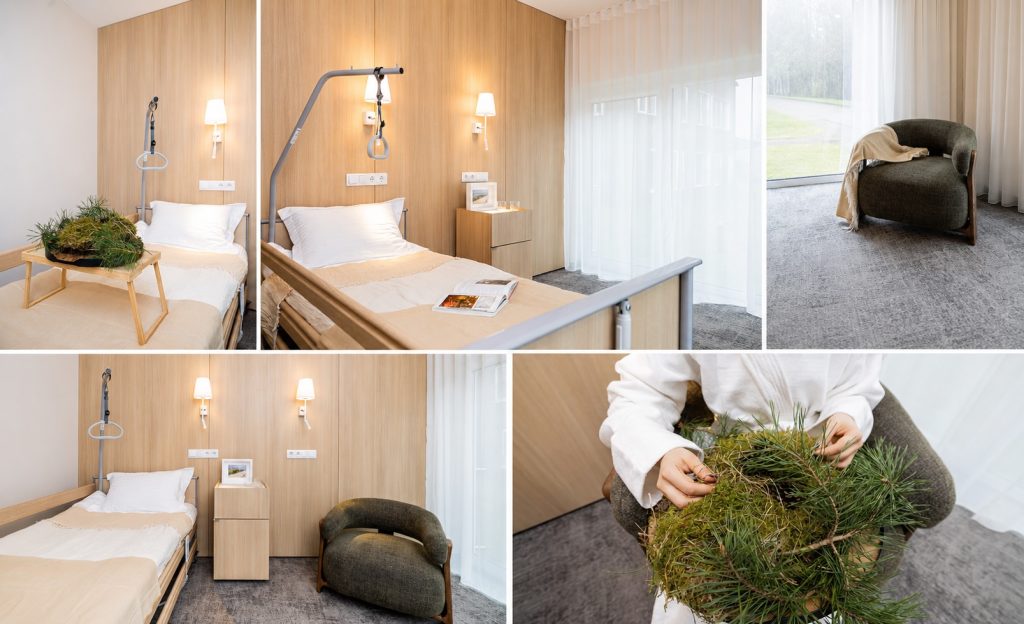
The Forest Therapy concept at Addere Care (Vilnius), known as “Forest in the Box,” was created to ensure that every resident can experience the restorative benefits of nature, regardless of their physical condition or mobility limitations.
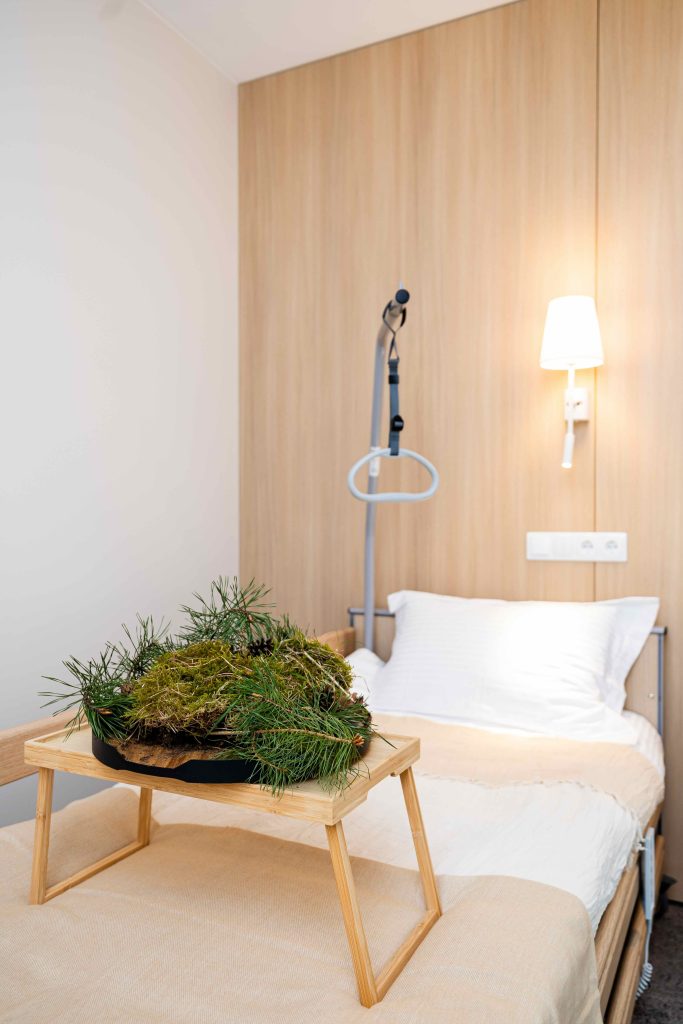
The concept combines several therapeutic elements. First, the hospital is located within the unique landscape of Pavilniai Regional Park and surrounded by forests, walking paths, terraces, and panoramic views of nature. Residents who are unable to spend extended periods outdoors are still continuously connected to nature through large windows, biophilic interior design, natural materials, forest-inspired visual elements, natural aromas, sounds, and multisensory therapeutic experiences integrated throughout the building.
Forest Therapy also extends into organized activities, including guided nature observation, sensory stimulation, relaxation sessions, movement therapy, music therapy, and social engagement programmes inspired by the natural environment.
The impact has been significant. We have observed that residents often experience reduced anxiety, improved emotional stability, increased social interaction, and a stronger sense of belonging. For many people facing serious illness, loneliness can be as challenging as physical symptoms. The Forest Therapy concept helps create moments of calm, meaningful engagement, and emotional comfort, transforming healthcare from a purely clinical experience into a deeply human one.
In essence, “Forest in the Box” brings nature to people when people can no longer fully access nature themselves.
Egle Rukšėnaitė
Q3. The Addere Care concept aims to transform long term and palliative care by creating an emotionally uplifting, dignified, and nature connected environment. In your view, how does this new model improve patient experience and quality of life compared to traditional institutional care settings?
I believe the real statistics will come in the years ahead. We will be able to measure improvements in wellbeing, emotional health, social engagement, and perhaps even longer lives lived with greater comfort and dignity. But from the very beginning, our ambition was not only to create better care. Our ambition was to create a better life.
At the heart of this concept lies what I like to call “the romance of the health resort.” For centuries, people travelled to spa towns and health resorts because those places made them feel healthy, hopeful, and connected to life. They woke up looking forward to the day ahead. They met new people, shared experiences, spent time outdoors, moved more, laughed more, and felt better physically and emotionally.
Why should this feeling disappear when a person becomes older, frail, or seriously ill?
The Wellness Nursing Hospital is built around the belief that everyone deserves the opportunity to feel well, valued, and inspired by life, regardless of their health condition. Imagine living in an environment where therapeutic water experiences, movement, nature, meaningful activities, friendships, spirituality, and professional care are all part of everyday life. Where the atmosphere feels closer to a wellness retreat than an institution. Where people are encouraged to participate, connect, and continue living rather than simply being cared for. This is what we call the romance of the health resort. It is not about ignoring illness. It is about ensuring that illness does not become the centre of a person’s identity.
The goal is to create an environment where disease becomes only a shadow beside life — a shadow that grows smaller as wellbeing, connection, purpose, and joy become stronger. Ultimately, success is not measured only by clinical outcomes. Success is when people wake up looking forward to tomorrow.
Q4. Addere Care introduces a completely new category in Europe: the Wellness Nursing Hospital, where medical care, rehabilitation, palliative support, balneology and spa wellbeing form one continuous therapeutic system. What inspired this integrated model, and why do you think Europe was ready for such a paradigm shift?
The inspiration behind the Wellness Nursing Hospital came from a very simple belief:
Every person deserves wellbeing, dignity, beauty, and quality of life, regardless of age, physical condition, diagnosis, or social status.
For many years, I have been asking myself why wellness, hospitality, and the environments that make us feel calm, valued, and alive are usually reserved for healthy, active people. Why do they disappear precisely when people become most vulnerable? The future of healthcare cannot be built only around treating illness or prevention. It must be built around supporting the whole person.
We increasingly speak about longevity, healthy aging, and wellbeing as the defining topics of the future. Yet these principles are still largely absent from hospitals, nursing facilities, and long-term care environments. This is where they are needed most. The Wellness Nursing Hospital was created to bridge that gap.
We believe that healthcare and wellness should no longer exist as separate worlds. Medical care, rehabilitation, movement, water therapies, nature, social connection, spiritual wellbeing, and emotional support all influence how people heal, recover, and experience life.
Europe is ready for this paradigm shift because Europe itself is changing. We are living longer than ever before, but longevity without quality of life is not enough. The greatest challenge ahead is not simply adding years to life, but adding real life to those years.
This is particularly important for the most vulnerable members of society — older adults, people living with chronic conditions, dementia, reduced mobility, or those requiring palliative support. They deserve access to the same principles of wellbeing, hospitality, and human-centered care that the wellness industry has successfully developed over decades.
In many ways, the Wellness Nursing Hospital is not only a new healthcare or wellness model. It is a new expression of respect for human life.
We believe the future belongs to environments where treatment, care, wellbeing, and dignity are inseparable — and where quality of life becomes one of the most important outcomes of healthcare itself.
Interview was prepared by Nikol Rashkova.