
Brussels, 10 November 2026 – The European Spas Association (ESPA) was honoured to participate as a speaker at the Global Tourism Forum Annual Meeting 2026 in Brussels, which brought together ministers, European policymakers, diplomats, investors, tourism leaders and international organisations under the theme“European Tourism in a Changing World.” The Forum focused on one central challenge: how governments, investors and tourism stakeholders can work together to unlock sustainable investment opportunities and accelerate destination development.
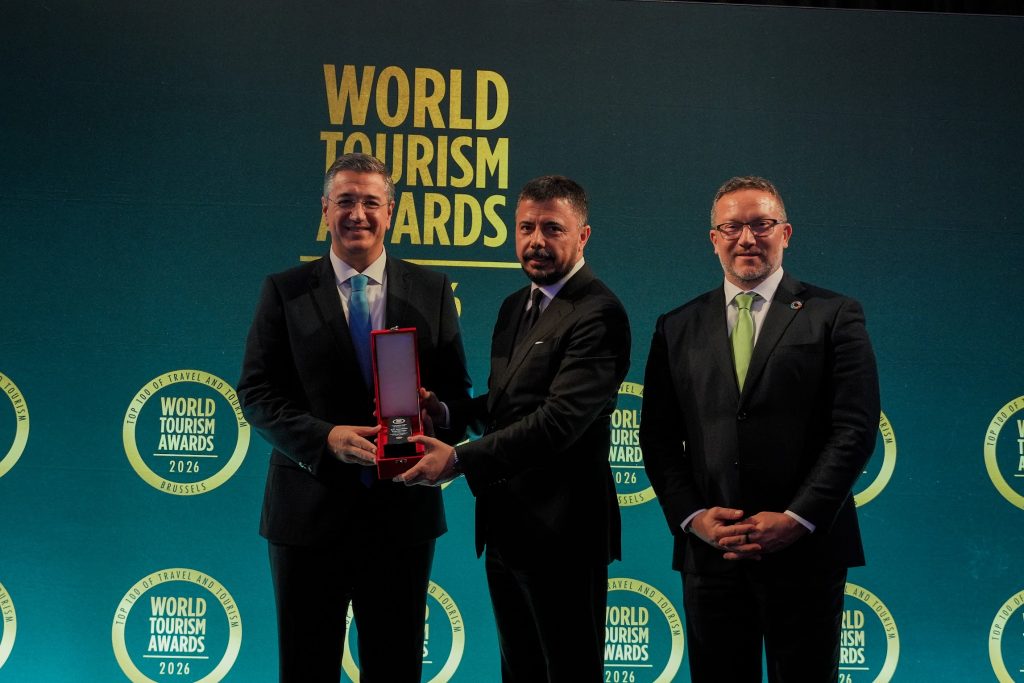
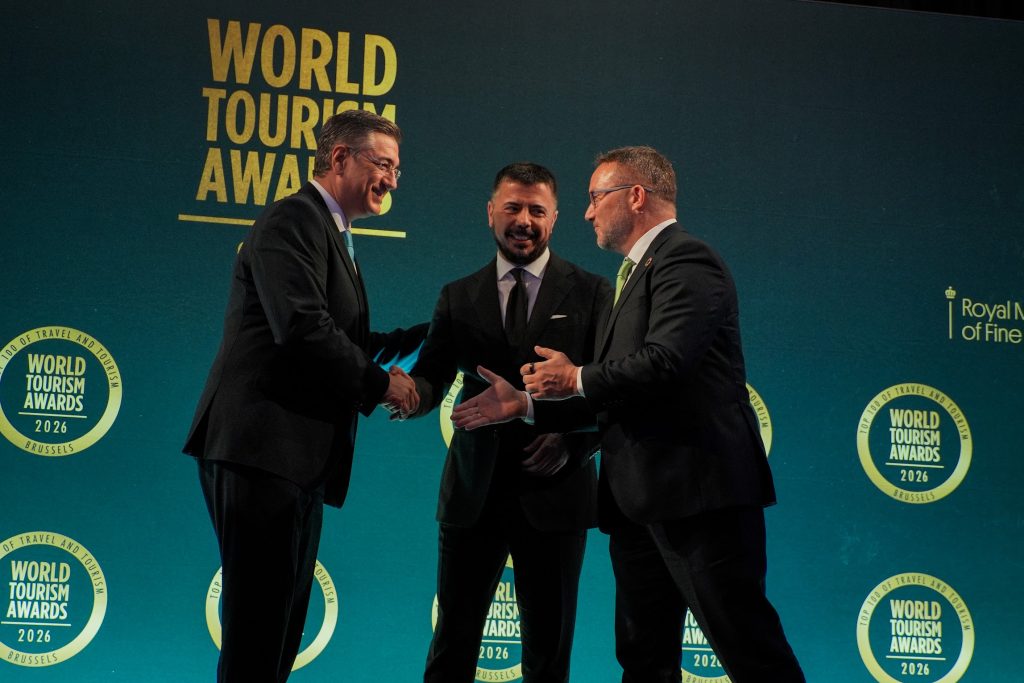
Throughout the event, discussions highlighted that tourism should be viewed not merely as a sector, but as part of a wider investment ecosystem involving infrastructure, transport, employment, regional development and international competitiveness. The Forum served as a platform to connect governments with investors and transform promising tourism concepts into tangible investment projects.
The session“Hospitality Investment and Destination Development” was moderated by Teona Nemsitsveridze, Head of the Standards Committee of the Georgian Tourism Association, and featured distinguished speakers including Pedro Ros, Founder of SilverEconomy.com, Glenn Mandziuk, CEO of the World Sustainable Hospitality Alliance, Marie Audren, Director General of HOTREC, and Csilla Mezősi, Secretary General of the European Spas Association.
Representing the European medical spa sector, ESPA highlighted the growing investment potential of health tourism, medical spas, and longevity hospitality. The presentation emphasized that investors are increasingly seeking assets that combine economic performance with long-term societal value. Health tourism offers precisely this combination through longer guest stays, higher expenditures, repeat visitation, and year-round demand.
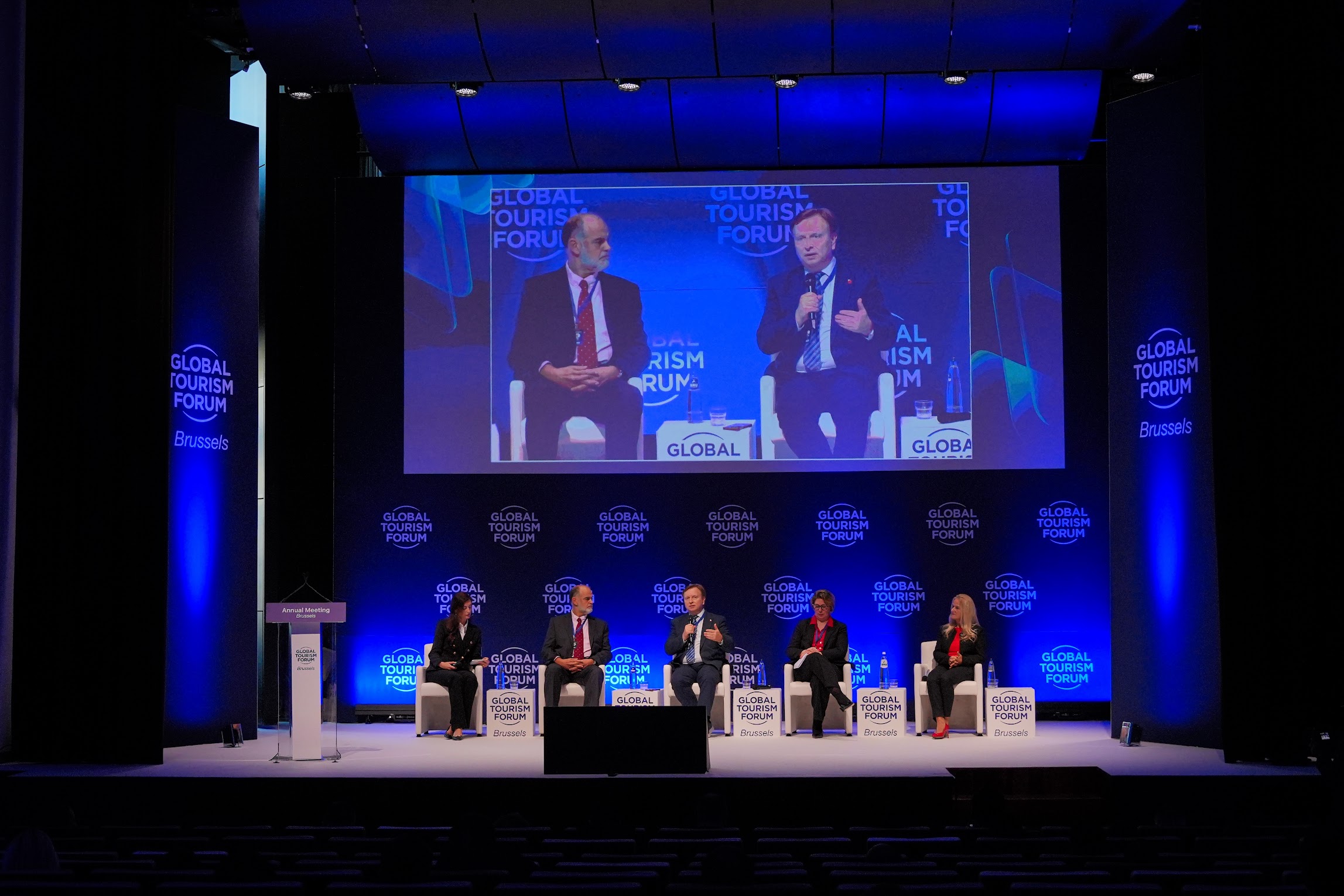
ESPA stressed that Europe’s competitive advantage lies in its unique health assets, including thermal and mineral waters, therapeutic muds, favourable climates, and centuries of medical spa expertise. When supported by scientific evidence, quality standards, and professional healthcare services, these resources create highly resilient investment opportunities that benefit both investors and local communities.
A key message of the presentation was that medical spas should no longer be viewed solely as tourism facilities. They represent an important part of the preventive health economy, contributing to healthy ageing, rehabilitation, workforce wellbeing, and regional development. As healthcare systems face growing pressures from ageing populations and chronic diseases, health tourism is becoming an increasingly strategic sector for both public and private investment.
The participation of ESPA reinforced the growing recognition that the future of tourism is closely linked to health, sustainability, and quality of life. As destinations seek new models for economic development, health tourism offers a pathway that simultaneously supports public health objectives, regional growth, and investor returns.
“Health tourism is no longer a niche market. It is a strategic investment opportunity that strengthens destinations, supports public health goals, creates year-round economic activity, and responds to one of the strongest global trends of our time: people’s willingness to invest in their health and longevity.”
This year, ESPA was proud to contribute the voice of Europe’s medical spa and balneology sector to a distinguished panel exploring the future of hospitality investment and destination development.