
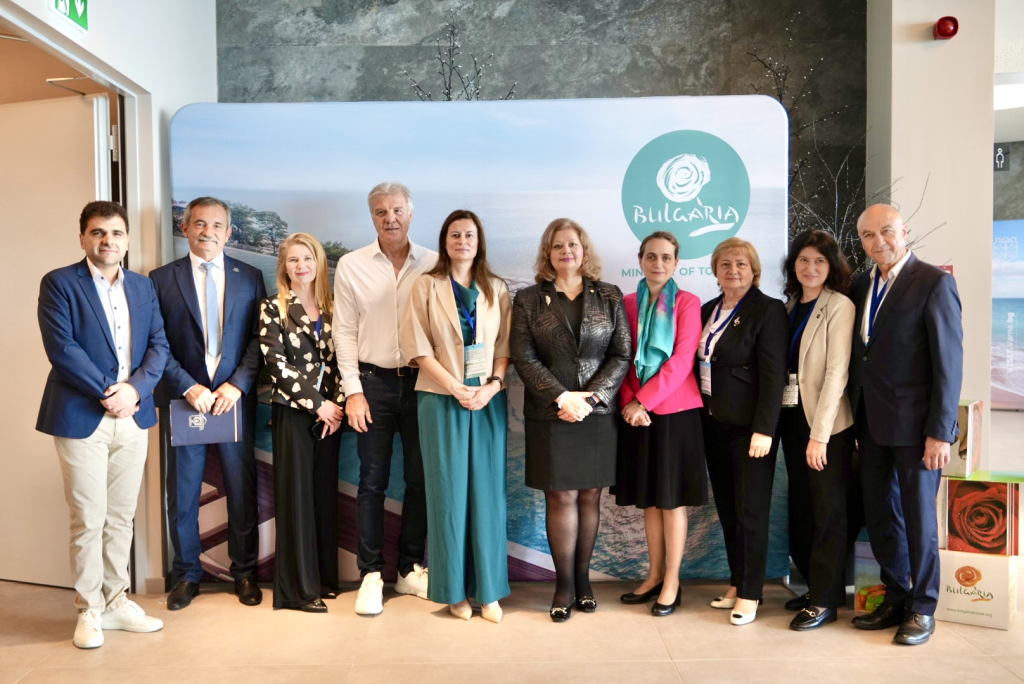
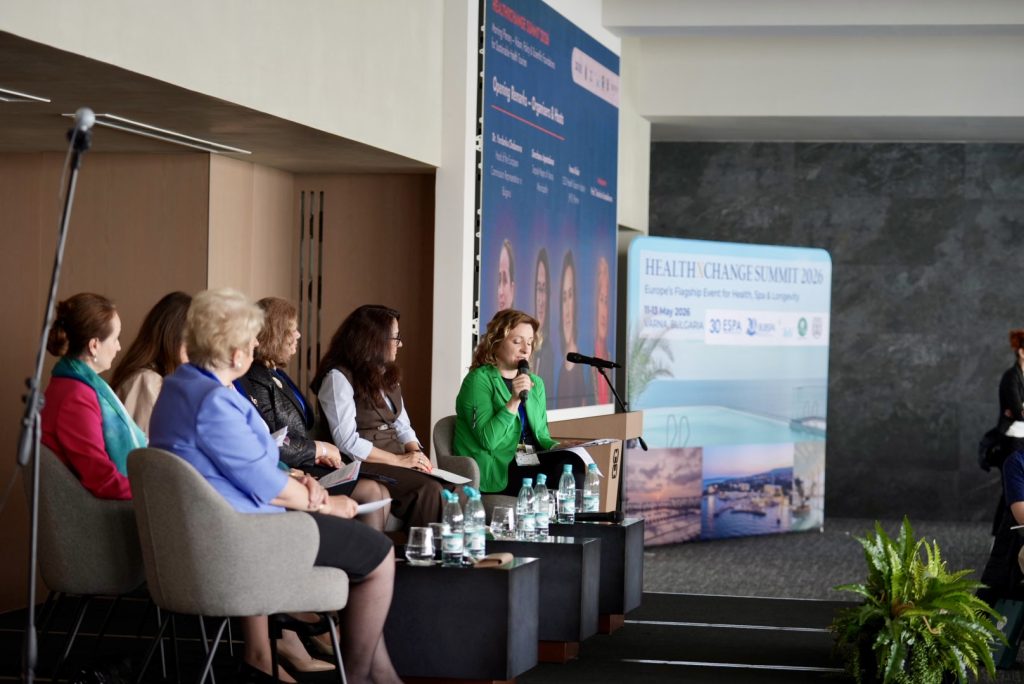
The HEALTHXCHANGE Summit 2026 opened in Varna with a strong focus on the future of preventive health, sustainable tourism and regional development. The opening message of EU Commissioner Ekaterina Zaharieva set the tone for the Summit, highlighting the importance of innovation, prevention and Europe’s natural healing resources in shaping the future of the sector. Her remarks underscored the strategic role of health tourism in Europe’s broader health and wellbeing agenda.
The flagship event of European health tourism took place at Grifid Noa in Golden Sands from 11–13 May, bringing together more than 200 delegates from 29 countries, including representatives of European institutions, leading medical experts, national tourism organisations and key figures from the European spa and wellbeing industry. Organised by the European Spas Association (ESPA), the Bulgarian Union of Balneology and SPA Tourism (BUBSPA) and Health Tourism Industry (HTI), the summit positioned Bulgaria as an emerging centre for health, spa and medical tourism in Europe
Health tourism as a driver of quality of life
Speakers underlined that modern health tourism goes far beyond leisure, contributing directly to prevention, wellbeing and sustainable regional development
Deputy Mayor of Varna Snezhana Apostolova welcomed participants to the Black Sea region, describing Golden Sands and St Constantine and Helena as destinations where “sea, mineral resources and modern tourism infrastructure create ideal conditions for recovery and healthy living.”
Bulgaria showcases its natural and health potential
Assoc. Prof. Dr Siyka Katsarova, President of ESPA and BUBSPA, highlighted Bulgaria’s strong position in European health tourism, built on its mineral waters, climate resources and long spa traditions. She encouraged delegates to use the summit as a platform for cooperation and stressed the importance of evidence‑based development and international collaboration. Katsarova also stressed the importance of evidence-based health tourism and stronger international collaboration to further develop the sector.
EU priorities: resilience, sustainability and innovation
The plenary discussions focused strongly on European policies and cooperation opportunities.
Victoria Petrova from the European Commission’s DG MOVE explained that while tourism policy remains largely within the competence of Member States, the European Commission plays an important coordinating role between governments, regions and local authorities.
According to Petrova, health tourism has strong long-term potential, particularly in relation to Europe’s ageing population, the longevity economy and the increasing demand for accessible health-related services. She added that future EU priorities will include skills development, technology, connectivity and tools to help destinations manage tourism flows more sustainably.
Regional cooperation and local communities
Former Czech Minister for Regional Development Petr Kulhánek emphasised that successful spa and medical tourism requires cooperation between municipalities, healthcare providers, tourism organisations, businesses and local residents. Drawing on the experience of Karlovy Vary, he explained that investment in spa regions benefits both visitors and local communities by improving infrastructure, innovation and quality of life.
Natural therapies and life sciences
Ass. Prof. Dr Milena Angelova, member of the European Economic and Social Committee and rapporteur of the EU Life Sciences Strategy, called for a broader understanding of health and prevention. Angelova stressed that medical spas and climate health resorts can contribute significantly to prevention, rehabilitation, mental wellbeing and healthy ageing. At the same time, she highlighted the need for more scientific evidence and research data to strengthen the visibility of natural therapies at EU level.
Rural areas and the future of health tourism
The role of rural communities was highlighted by Anja Fortuna from the Rural Pact Support Office. She noted that many spa and wellness destinations are located in rural regions and stressed the importance of involving local communities, farmers, artisans and small producers in the health tourism ecosystem. Anja Fortuna invited health tourism actors to work more closely with rural communities to support resilience, local identity and sustainable economic development.
Prevention and wellbeing at the centre of Europe’s future
Throughout the summit, one message remained clear: Europe has exceptional assets in health tourism, but stronger cooperation, research and strategic alignment are needed to fully unlock the sector’s potential. For Bulgaria, the event provided an opportunity to present its mineral resources, medical expertise and Black Sea destinations within a broader European framework focused on prevention, healthy ageing and sustainability.
Programme on 12 May continued with the
European Spas Forum: Science, Prevention and the Future of Balneology
One of the central discussions of the summit moderated by Iuliana Tasie, Vice-President of ESPA and OPTBR was focused on the growing scientific and economic importance of balneology and health tourism within European healthcare systems. During the European Spas Forum, experts from across Europe explored how spa medicine, thermal resources and preventive therapies can contribute not only to wellbeing, but also to long-term public health strategies and healthcare sustainability.
Thierry Dubois, 1st Vice-President of ESPA and President of the French National Council of Thermal Establishments (CNETh), presented new insights into the economic impact of health destinations. Referring to a French pilot study, he demonstrated how medical spa treatments and prevention-oriented therapies can help reduce long-term healthcare costs while supporting regional economies. Dubois stressed that health tourism should no longer be viewed solely as a tourism activity, but as a strategic component of national prevention and public health policies.
Marina Lalli, President of the FORST Foundation and Vice-President of ESPA and Federterme, provided an overview of the latest scientific developments in balneology. She highlighted recent clinical studies, new therapeutic approaches and methodological advances that continue to strengthen the scientific credibility of spa medicine. Lalli also presented the future research priorities of FORST, emphasising the need for stronger European cooperation in evidence-based balneology research.
Dr. Ladislav Špišák from the Institute of Spa and Balneology in Karlovy Vary shared the latest medical findings related to lifestyle disorders and preventive medicine. His presentation focused on how balneological treatments can support the prevention and management of chronic conditions linked to modern lifestyles, including stress-related illnesses and metabolic disorders.
Assoc. Prof. Dr. Siyka Katsarova, President of ESPA and BUBSPA, introduced ESPA’s initiative to establish a new scientific journal dedicated to balneology, climate therapy and health tourism. She explained that the publication aims to create a stronger scientific platform for European spa medicine and to integrate research from the sector into the wider international academic and medical community.
The role of water resources in prevention and longevity was addressed by Marko Gajić, Founder of the Bled Water Forum. He spoke about the importance of protecting Europe’s hydro-mineral heritage and highlighted how regions rich in mineral and thermal waters can position themselves as leaders in prevention, wellbeing and longevity tourism. His presentation also emphasised the growing connection between sustainability, water governance and future health tourism development.
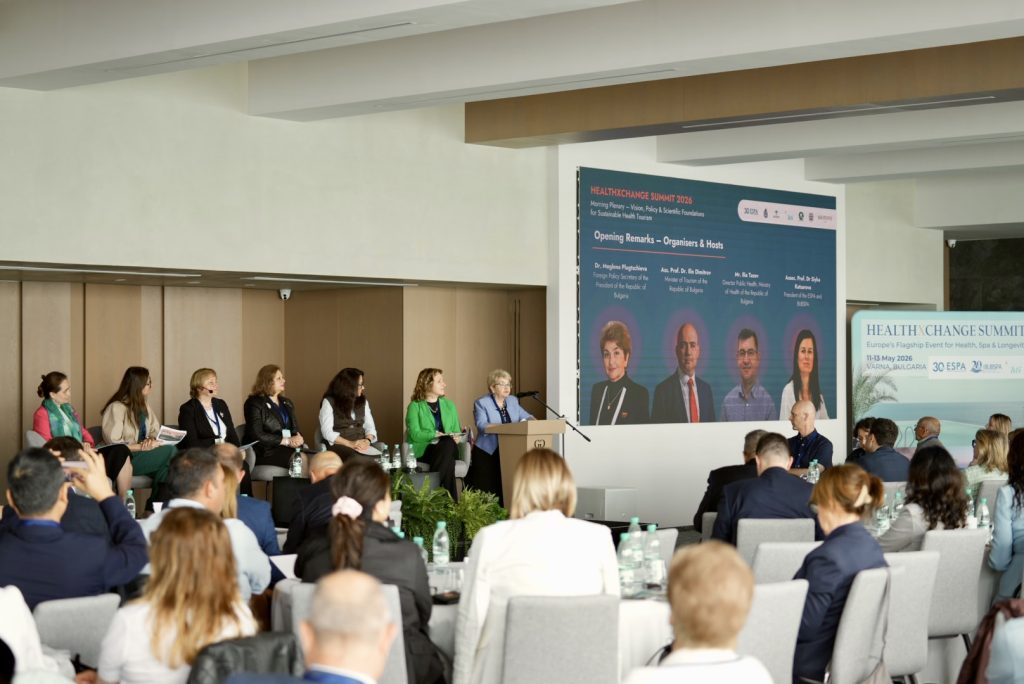
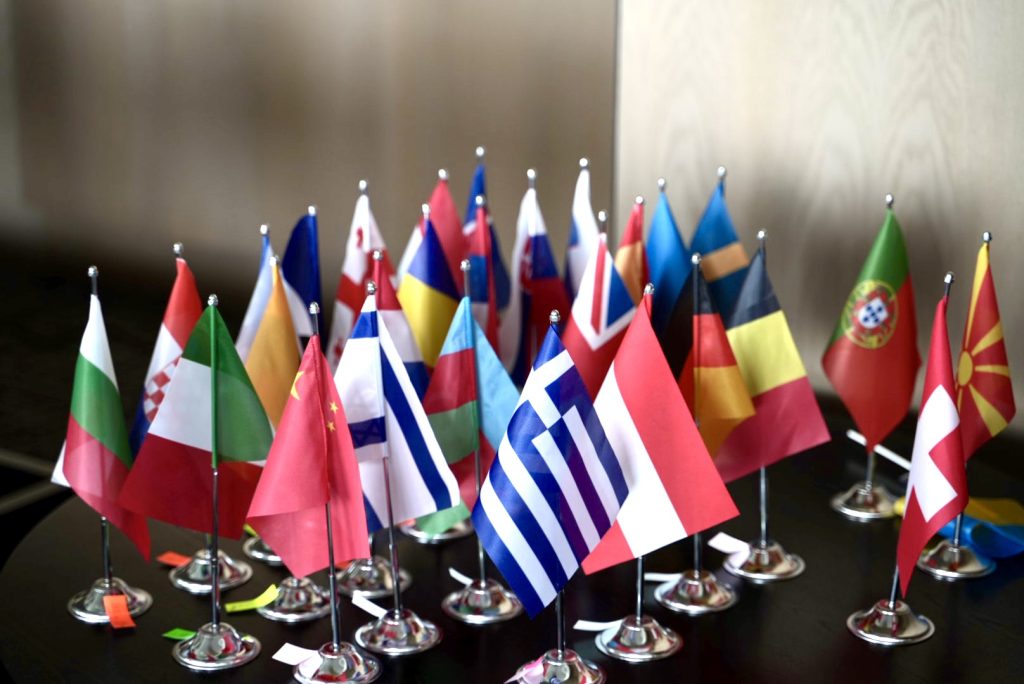
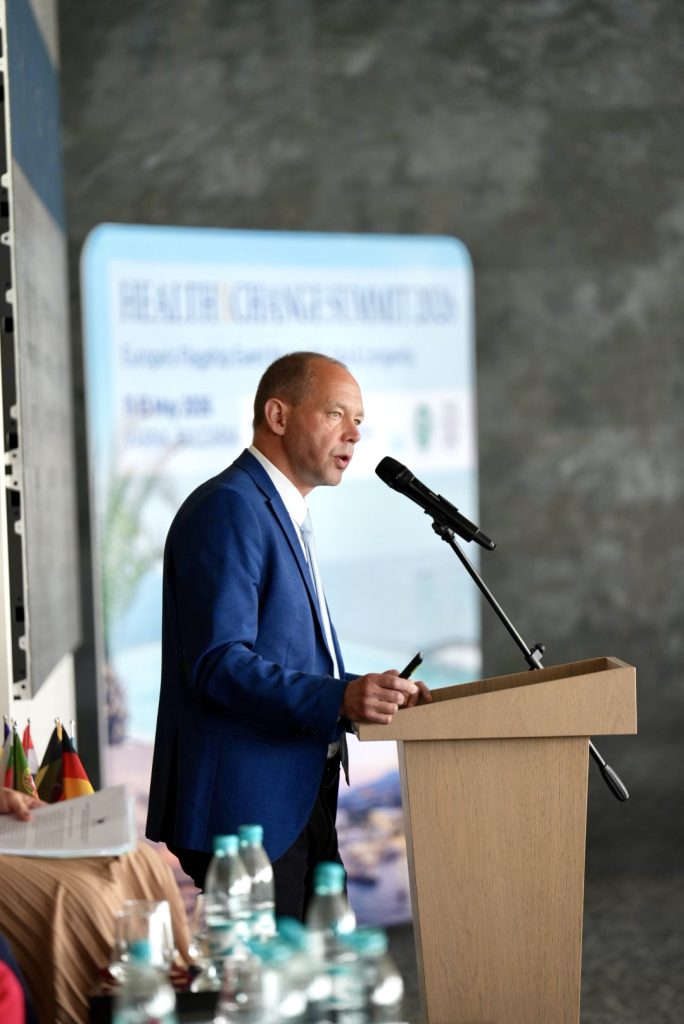
Photo credits: Peyo Ivanov
Health Tourism Industry Forum: Europe’s Competitive Advantage
The afternoon Health Tourism Industry Forum brought together European associations, tourism strategists and policy experts to discuss the future competitiveness of Europe’s health and wellbeing economy.
Moderated by Ivana Kolar, CEO of HTI Partner, the session explored how Europe can strengthen its global position in health tourism through stronger cooperation, innovation and strategic alignment.
Markos Danas, Secretary General of the European Historic Thermal Towns Association (EHTTA), highlighted the importance of Europe’s thermal heritage and the growing international demand for authentic health and wellness experiences rooted in culture and tradition.
Zaritsa Dinkova, Advisor to the European Parliament, addressed the role of health tourism within Europe’s broader competitiveness strategy, particularly in relation to the silver economy and demographic change.
Lilla Harangozó, Head of Office for Capital European Affairs and EU Networks, focused on the importance of cross-border collaboration, networking and destination partnerships in building resilient health tourism ecosystems across Europe.
Thomas Boemkes, Managing Director of Diversity Tourism and ITB Medical Tourism partner, presented current market trends in health travel and discussed the increasing role of digitalisation, artificial intelligence and future workforce skills within the sector.
Throughout the discussion, speakers agreed that Europe possesses exceptional competitive advantages in health tourism thanks to its natural resources, medical expertise, spa traditions and cultural diversity. At the same time, they stressed the need for coordinated industry action, innovation and investment in order to maintain Europe’s leadership in the rapidly evolving global health tourism market.
Bulgaria Showcases Its Leadership in Health Tourism
A dedicated session focused on Bulgaria’s growing role as a leading European destination for spa, wellness and medical tourism.
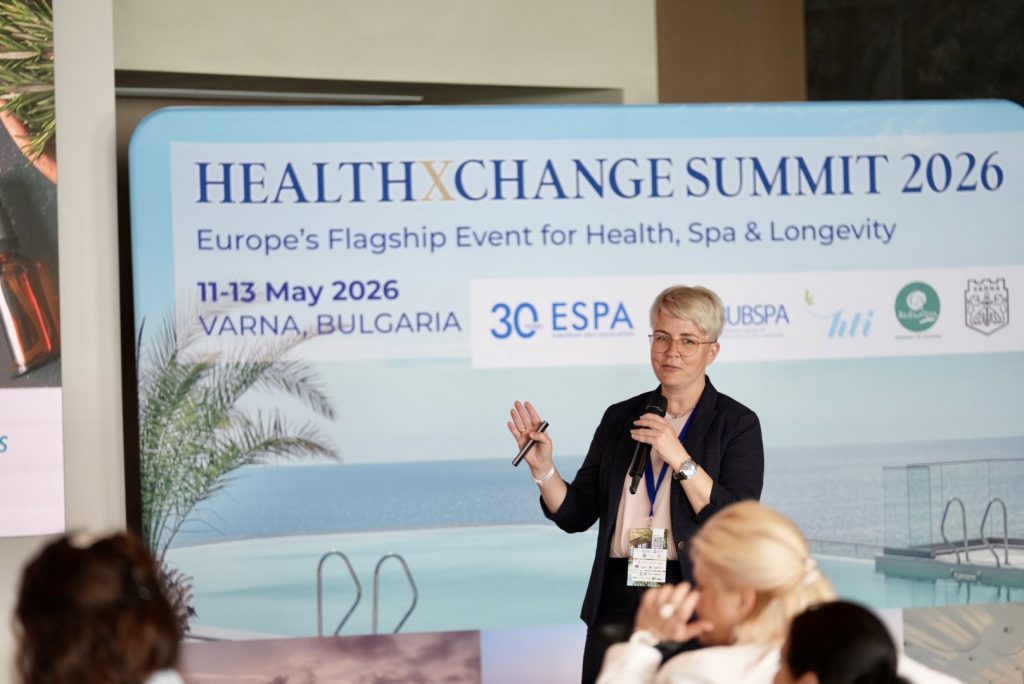
Carmen Struck, representing the Bulgarian Union of Balneology and SPA Tourism, presented Bulgaria as a destination combining affordable luxury, thermal resources and year-round opportunities for health tourism. She highlighted the country’s climate, mineral waters and integrated spa and medical services as key strengths.
Deputy Mayor Snezhana Apostolova described Varna as the “visiting card of Bulgaria,” emphasising the city’s unique combination of Black Sea climate, mineral springs and tourism infrastructure.
Adv. Svilena Dimitrova, Chairwoman of the Bulgarian Hospital Association, discussed the integration of medical services, prevention and rehabilitation into Bulgaria’s health tourism offer, underlining the country’s potential as a competitive destination for medical tourism in Europe.
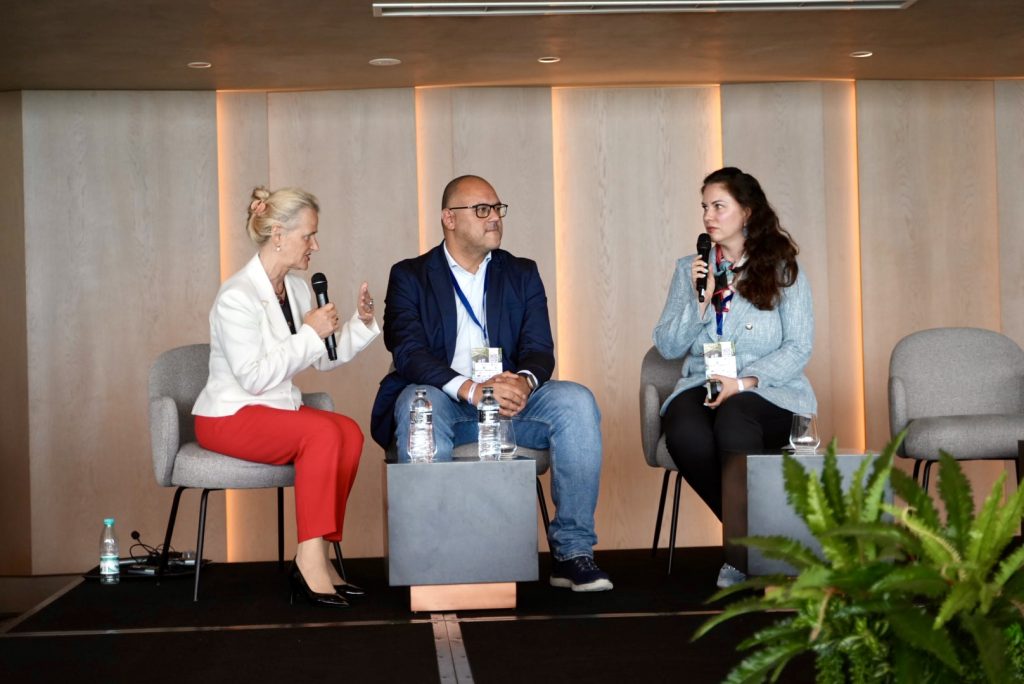
Moderated by Zhivko Ivanov, Vice-President of BUBSPA, the session concluded with a roundtable discussion featuring hosted buyers and international experts, who shared their perspectives on Bulgaria’s future positioning within the European health tourism market.
Thalasso Expert Meeting
As a part of the HealthXchange Summit 2026, a Thalasso Expert Meeting was held, led by Ms. Marlies Sobczak, ESPA Board Member.
The main points of discussion:
Participants agreed that Thalasso represents one of the strongest future opportunities for seaside destinations, especially in the fields of prevention, wellbeing and healthy ageing. Discussions focused on the need for better communication, as many travellers still do not clearly understand what Thalasso offers and what benefits they can expect. Experts highlighted the importance of presenting Thalasso in a more positive and accessible way — focusing on wellbeing, balance and prevention rather than illness. Other key topics included differentiating destinations through unique concepts, attracting new target groups such as younger lifestyle travellers and burnout prevention clients, and strengthening the connection between nature, science and sustainability.
Actions to be taken
Participants emphasised the need to translate scientific research into simple and attractive communication for guests and clients. Stronger marketing of natural therapies, innovative products and preventive health programmes was identified as essential for future growth. The group also highlighted the importance of research cooperation with universities, staff training and education for future generations of professionals. Future development should focus on clear target groups, sustainable products and authentic experiences that combine marine resources, prevention and wellbeing. Greater cooperation between destinations and integration of approaches such as lifestyle medicine and Traditional Chinese Medicine (TCM) were also identified as important opportunities for expanding the reach of Thalasso tourism.
More information
The day concluded with the ESPA Innovation Award Gala Dinner at Astor Garden Hotel in Sts. Constantine and Helena Resort, celebrating innovation, excellence and leadership across Europe’s spa and health tourism sector.